
LONGITUDINAL JOINT STABILIZER
JointBond is our specialized polymerized maltene emulsion designed to heal and improve the durability of construction joints on asphalt roadways.
We developed JointBond to address one of the most vulnerable parts of your pavement – the longitudinal joints – where most premature failures begin.
These critical joints can start showing signs of failure within months of installation, especially when density issues arise during construction. By applying JointBond to newly installed road surfaces before joints have an opportunity to separate and deteriorate, you can prevent problems rather than repairing them later at much higher cost.
THE SCIENCE BEHIND JOINTBOND
JointBond is suitable for use on country roads and highways that have high traffic volumes. It is applied to newly installed road surface before the joints have an opportunity to separate and deteriorate. It can be used in conjunction with other joint treatments.
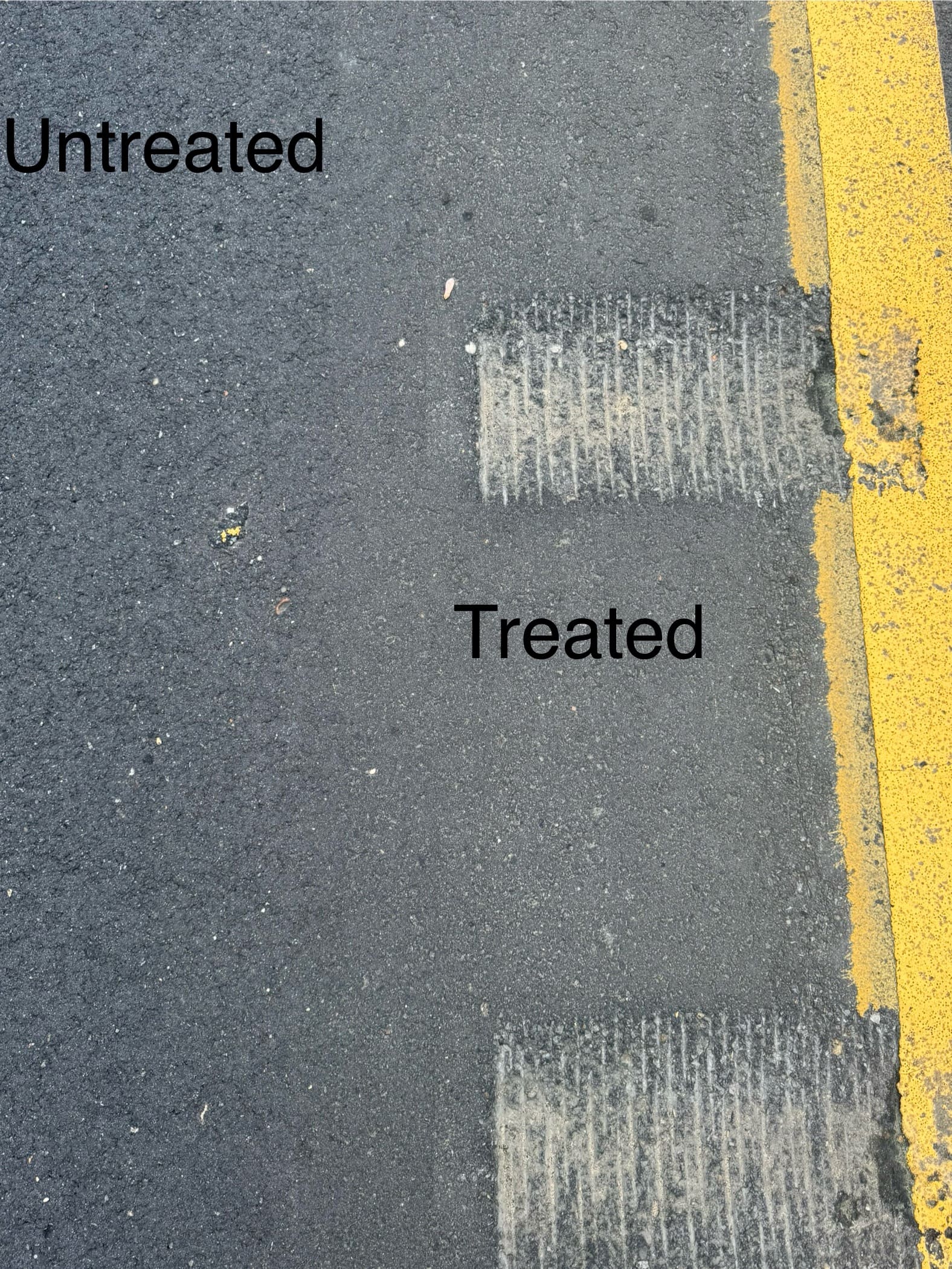
Like our other preservation products, JointBond is based on the same maltene fractions that make up asphalt binder. But we’ve enhanced it with specialized polymers to address the unique challenges of longitudinal joints and rumble strips.
The JointBond chemistry works by:
- Penetrating deeply into the joint area
- Replenishing maltene fractions that keep asphalt flexible
- Creating a stabilized zone around the joint
- Sealing the surface against water and brine intrusion
DOCUMENTED EFFECTIVENESS
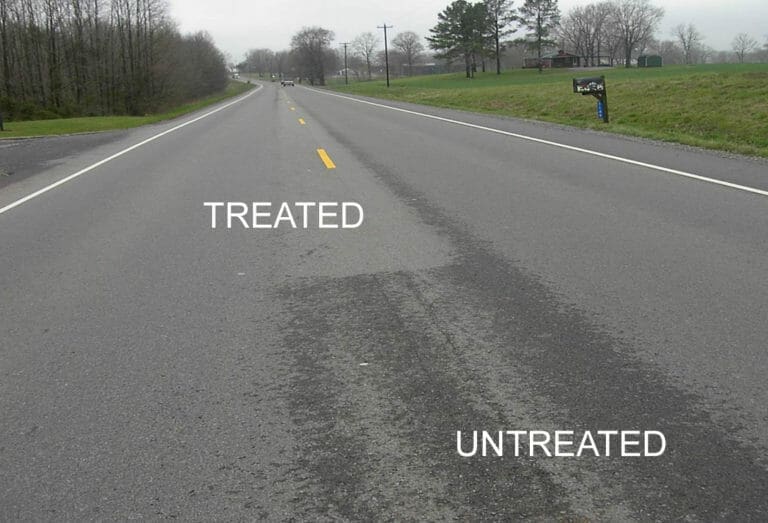
Studies conducted by the Minnesota Department of Transportation have demonstrated that treatments like JointBond significantly improve joint durability. By sealing these vulnerable areas early in their service life, agencies have documented reduced maintenance needs and extended overall pavement life.
Joint treatments have proven particularly valuable for agencies in northern climates where freeze-thaw cycles and winter maintenance activities place additional stress on longitudinal joints.
WHY YOUR LONGITUDINAL JOINTS NEED PROTECTION
Longitudinal joints are particularly vulnerable because:
They’re often less compacted than the rest of the pavement due to construction limitations
They naturally create a seam where water can penetrate
They experience different stresses than the main pavement area
Winter maintenance activities (plowing, deicing) can accelerate deterioration at joints
Without protection, these factors combine to create premature failure zones that can compromise your entire pavement structure.
Extend Joint Life and Prevent Costly Failures
JointBond prevents joint deterioration and separation before it starts.
- Penetrates deeply into the pavement, so it’s not affected by traffic
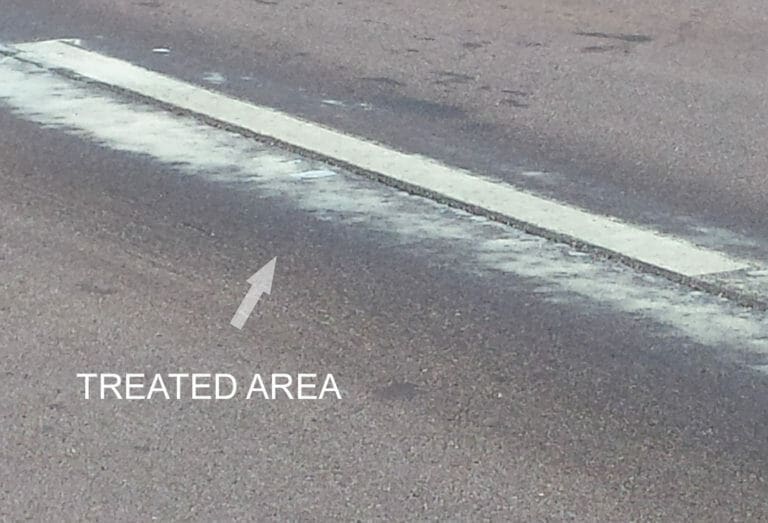
- Preserves road striping unlike other treatments that obliterate markings
- Stabilizes the construction joint area, improving density issues that arise during construction
- Extends joint life by 3-5 years, delaying more expensive repairs
- Makes treated areas less susceptible to water and salt brine intrusion
- Can be used in conjunction with other joint treatments
- Suitable for all types of asphalt roadways including high-traffic highways
QUICK AND EFFICIENT APPLICATION
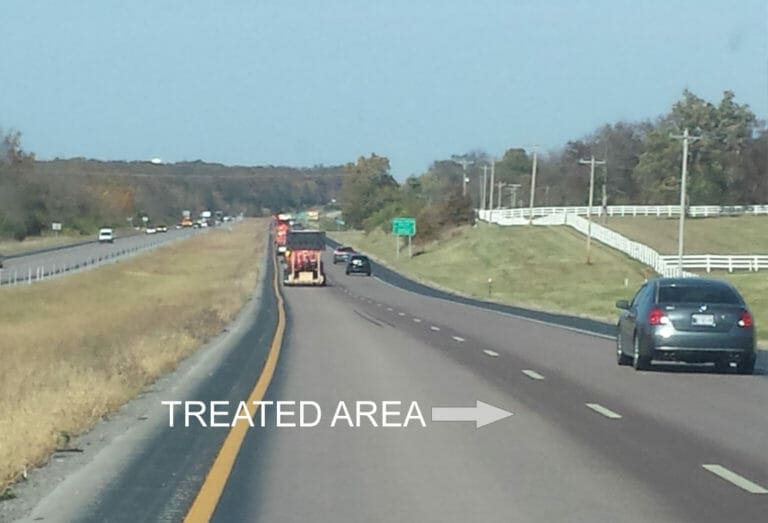
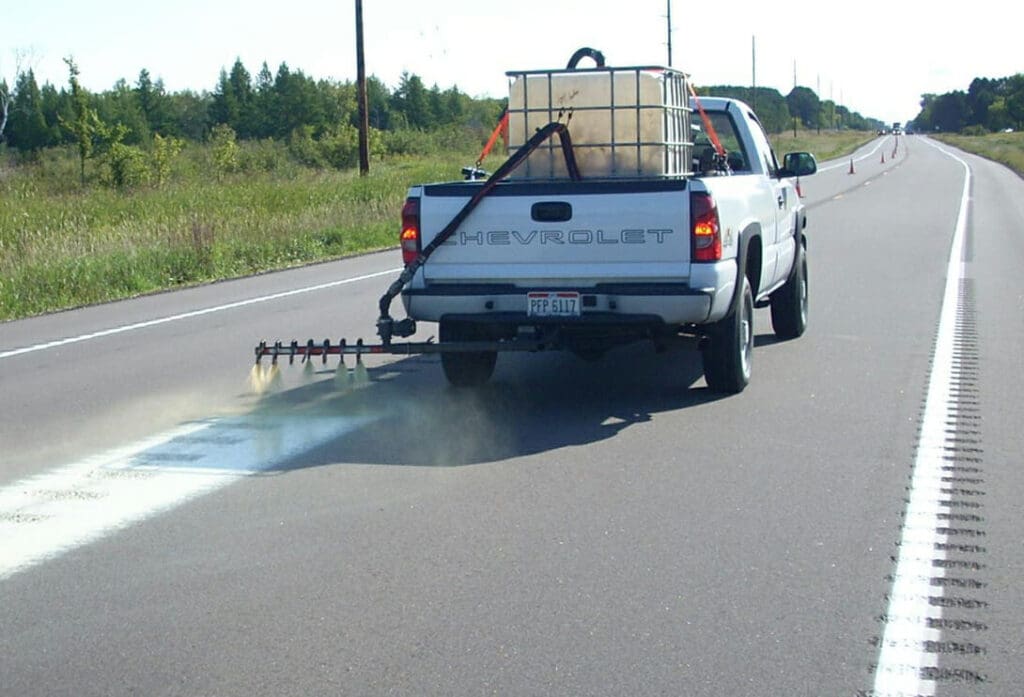
We apply JointBond using a calibrated distributor truck with a precise two-foot spray pattern that covers the joint efficiently. The product penetrates the surface within 15-30 minutes, allowing roads to be reopened to traffic quickly with minimal disruption.
Application: 2-foot spray pattern with no sand required
Ready for traffic: 10-30 minutes
Uses: Asphalt construction joints and rumble strips up to 1 year old
Extends joint life: 3-5 years
Cost-Effective Protection
JointBond represents one of the most cost-effective investments you can make in your pavement maintenance program. By focusing treatment on the most vulnerable 5-10% of your pavement surface (the joints), you can prevent much more expensive failures that would otherwise affect your entire roadway.
FREQUENTLY ASKED QUESTIONS
SPEAK TO A JOINT PRESERVATION EXPERT
Let us show you how JointBond can protect your pavement investment by preventing the most common form of early pavement failure. Contact our team today for a free consultation and on-site evaluation to see if JointBond is right for your roads.
Contact Us